4.8
Travel Murti
Travel Murti
Char Dham Yatra with Valley of Flowers from Delhi – 11 Nights / 12 Days

Char Dham Yatra with Valley of Flowers from Delhi – 11 Nights / 12 Days

11N /12 D

Share this package

Introduction

Introduction

Experience a unique combination of pilgrimage, Himalayan trekking, and natural beauty with TravelMurti’s Char Dham Yatra with Valley of Flowers from Delhi – 11 Nights / 12 Days. This journey brings together the sacred Char Dham shrines of Yamunotri, Gangotri, Kedarnath, and Badrinath with a visit to the spectacular Valley of Flowers National Park in Uttarakhand.

Starting from Delhi, the journey takes travellers through the Garhwal Himalayas, where ancient temples, sacred rivers, pilgrimage towns, mountain valleys, trekking routes, and alpine landscapes create a diverse Himalayan experience. The Char Dham pilgrimage traditionally follows the sequence of Yamunotri, Gangotri, Kedarnath, and Badrinath, with each shrine holding deep significance in Hindu tradition.

The addition of the Valley of Flowers makes this package especially suitable for travellers who want more than a conventional pilgrimage. Known for its alpine meadows, seasonal wildflowers, mountain scenery, and trekking experience, the Valley of Flowers offers a striking natural contrast to the spiritual destinations covered during the Char Dham journey.

This 11 Nights / 12 Days Char Dham and Valley of Flowers Package from Delhi combines spirituality and nature within one itinerary. Actual destinations, trekking days, overnight stops, transportation, meals, and other services should be followed according to the confirmed itinerary and package inclusions.

Highlights of Char Dham Yatra with Valley of Flowers

Complete pilgrimage covering Yamunotri, Gangotri, Kedarnath, and Badrinath.

Tour starting from Delhi and travelling through Uttarakhand's Garhwal Himalayan region.

Darshan at Yamunotri Temple, dedicated to Goddess Yamuna.

Visit Gangotri Temple and experience the scenic Bhagirathi Valley.

Pilgrimage to Kedarnath Temple, one of the twelve Jyotirlingas dedicated to Lord Shiva.

Darshan at Badrinath Temple, dedicated to Lord Vishnu.

Trek through the Himalayan landscape towards the Valley of Flowers National Park.

Experience seasonal alpine wildflowers, mountain streams, meadows, and Himalayan scenery.

Explore important pilgrimage towns and attractions according to the scheduled itinerary.

Combine religious pilgrimage with trekking and nature exploration in a single Uttarakhand journey.

Yamunotri Dham

Yamunotri is traditionally the first shrine visited during the Uttarakhand Char Dham Yatra. Located in Uttarkashi district in the western Garhwal Himalayas, the temple is dedicated to Goddess Yamuna.

The journey to Yamunotri combines mountain travel with trekking through the Himalayan region. Pilgrims visit the temple and nearby sacred sites before continuing to the next Dham.

Places to Visit in Yamunotri

Yamunotri Temple: The principal shrine dedicated to Goddess Yamuna and traditionally the first Dham of the pilgrimage.

Surya Kund: A natural thermal spring near the temple traditionally associated with preparing offerings as prasad.

Divya Shila: A sacred stone worshipped by devotees before proceeding for Yamunotri Temple darshan.

Gangotri Dham

Gangotri is one of the most revered pilgrimage destinations associated with Goddess Ganga. Located in Uttarkashi district, Gangotri Temple stands near the Bhagirathi River amid impressive Himalayan surroundings.

According to Hindu tradition, the region is associated with King Bhagirath and the descent of Goddess Ganga to Earth. The actual glacial source associated with the Bhagirathi is Gaumukh, located beyond Gangotri and reached separately through a trekking route subject to applicable conditions and permissions.

Places to Visit in Gangotri

Gangotri Temple: The principal shrine dedicated to Goddess Ganga and the second Dham in the traditional pilgrimage sequence.

Bhagirath Shila: A sacred stone associated with the penance of King Bhagirath.

Pandava Gufa: A cave in the Gangotri region traditionally associated with the Pandavas.

Harsil Valley: A scenic Himalayan valley along the Gangotri route known for its mountain landscapes and the Bhagirathi River.

Kedarnath Dham

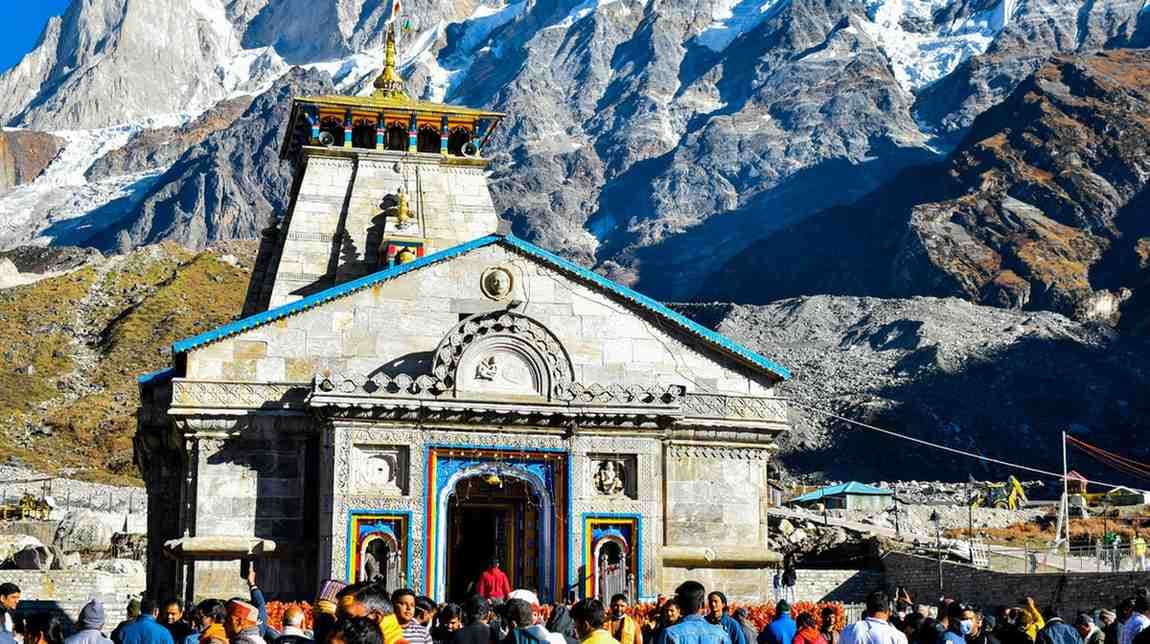
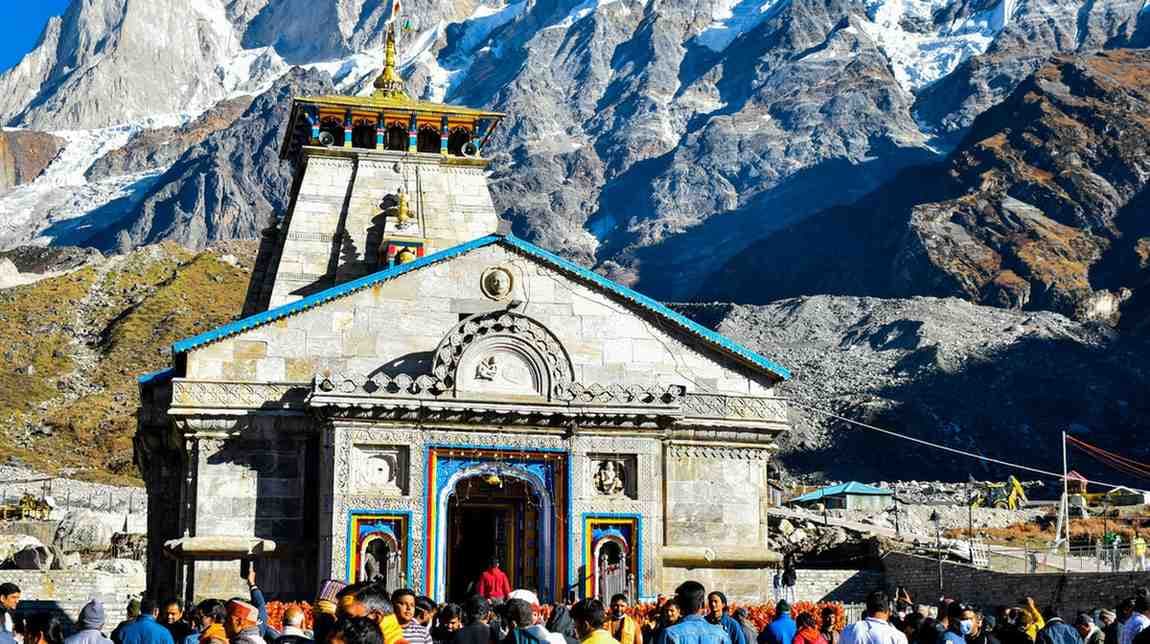
Located in Rudraprayag district, Kedarnath is one of India's most important Shiva pilgrimage destinations. Kedarnath Temple is one of the twelve Jyotirlingas dedicated to Lord Shiva and forms an essential part of the Uttarakhand Char Dham Yatra.

Situated at approximately 3,583 metres above sea level, Kedarnath is surrounded by the dramatic landscape of the Garhwal Himalayas. Reaching the shrine involves high-altitude travel and trekking, making it one of the more physically demanding stages of the pilgrimage.

Places to Visit in Kedarnath

Kedarnath Temple: The principal shrine of Kedarnath and one of the twelve Jyotirlingas dedicated to Lord Shiva.

Bhairavnath Temple: A temple dedicated to Bhairavnath, traditionally regarded as the guardian deity of Kedarnath.

Gandhi Sarovar: A high-altitude lake in the Kedarnath region whose accessibility depends on weather, trail conditions, and local restrictions.

Badrinath Dham

Badrinath is traditionally the final Dham visited during the Uttarakhand Char Dham Yatra. Situated in Chamoli district near the Alaknanda River, Badrinath Temple is dedicated to Lord Vishnu in the form of Badrinarayan.

The pilgrimage town is surrounded by Himalayan mountains and is associated with several sacred sites that travellers can explore according to their itinerary and available time.

Places to Visit in Badrinath

Badrinath Temple: The principal shrine dedicated to Lord Vishnu and traditionally the final Dham of the Uttarakhand Char Dham circuit.

Tapt Kund: A natural thermal spring situated near Badrinath Temple.

Narad Kund: A sacred pool associated with the religious traditions of Badrinath.

Mana Village: A Himalayan village near Badrinath known for its natural surroundings and places associated with Hindu mythology.

Bhim Pul: A natural stone formation over the Saraswati River associated with the legend of Bhima.

Vyas Gufa: A sacred cave in Mana traditionally associated with Maharishi Ved Vyasa.

Valley of Flowers National Park

The Valley of Flowers National Park is one of Uttarakhand's most remarkable high-altitude natural destinations. Located in Chamoli district in the Western Himalayas, the park is internationally recognized for its alpine vegetation, seasonal wildflowers, mountain scenery, streams, and biodiversity.

The park forms part of the Nanda Devi and Valley of Flowers National Parks UNESCO World Heritage Site. During the flowering season, its alpine meadows display changing varieties of Himalayan vegetation against a backdrop of rugged mountain landscapes.

Unlike the temple-focused sections of the Char Dham Yatra, visiting the Valley of Flowers requires trekking, making this package a combination of pilgrimage and Himalayan adventure.

Valley of Flowers Trek

Access to the Valley of Flowers is generally made through the Govindghat–Ghangaria region. Ghangaria serves as the main trekking base for visiting the national park.

The trek passes through mountainous terrain with rivers, forests, waterfalls, and changing Himalayan landscapes. The exact trekking distance and schedule should follow the package itinerary and current route conditions.

The Valley of Flowers is a protected natural area, so visitors should follow park regulations, avoid disturbing vegetation and wildlife, and carry waste back from the trekking route.

Best Time to Visit Valley of Flowers

The Valley of Flowers has a much shorter tourism window than the overall Char Dham pilgrimage season.

July to September is generally the main period for experiencing the valley's seasonal wildflowers, although the appearance and abundance of flowers vary with altitude, rainfall, temperature, and natural seasonal conditions.

July and August can provide lush landscapes and flowering meadows but also coincide with the Himalayan monsoon, bringing the possibility of rain, slippery trails, landslides, and road disruptions.

September can offer different vegetation and potentially clearer conditions, although the flowering landscape changes as the season progresses.

Because this package combines the Char Dham Yatra and Valley of Flowers, travel dates should be selected according to both temple accessibility and the Valley of Flowers season.

Hemkund Sahib

Hemkund Sahib is an important Sikh pilgrimage destination situated at high altitude near the Ghangaria region. It is commonly visited by travellers using Ghangaria as their base.

However, a visit to Hemkund Sahib should only be considered part of this package if it appears in the confirmed day-wise itinerary. The trek is physically demanding and subject to weather, seasonal opening, trail conditions, and local regulations.

Why Choose Char Dham Yatra with Valley of Flowers?

A conventional Char Dham Yatra focuses primarily on completing the pilgrimage to Yamunotri, Gangotri, Kedarnath, and Badrinath. Adding the Valley of Flowers creates a broader Himalayan experience combining sacred destinations with trekking and protected natural landscapes.

Travellers can experience ancient temples and pilgrimage traditions while also exploring alpine meadows, forests, rivers, waterfalls, and high-altitude mountain scenery.

This combination is particularly suited to travellers comfortable with trekking and mountain travel who want to experience both the spiritual and natural sides of Uttarakhand during the same journey.

Why Choose TravelMurti for Char Dham Yatra with Valley of Flowers?

TravelMurti helps travellers plan their Char Dham Yatra with Valley of Flowers from Delhi through a structured itinerary covering the pilgrimage destinations, overnight stops, mountain routes, and trekking portions specified in the selected package.

Depending on the confirmed package, arrangements may include accommodation, transportation, meals, transfers, and scheduled sightseeing. Trekking services, park entry fees, guides, pony or doli services, Kedarnath helicopter tickets, and other optional expenses should only be considered included when specifically stated in the final quotation.

A planned itinerary is especially important for this tour because travellers need to coordinate temple visits, high-altitude trekking, mountain transportation, seasonal access, and the limited visiting period of the Valley of Flowers.

Book Char Dham Yatra with Valley of Flowers from Delhi

Experience the sacred shrines of Yamunotri, Gangotri, Kedarnath, and Badrinath together with the extraordinary Himalayan landscapes of the Valley of Flowers.

Book your Char Dham Yatra with Valley of Flowers from Delhi – 11 Nights / 12 Days with TravelMurti and experience a journey combining pilgrimage, trekking, sacred rivers, ancient temples, alpine landscapes, and the natural beauty of Uttarakhand.

Itinerary

Day 01: Haridwar – Mussoorie – Barkot

Approx. 210 km / 7–8 Hours

Your Char Dham Yatra with Valley of Flowers from Haridwar begins with arrival at Haridwar Railway Station, where you will meet the TravelMurti representative.

Proceed towards Barkot via Mussoorie. En route, visit Mussoorie Lake and Kempty Falls as included in the itinerary. Enjoy the transition from the plains of Haridwar to the scenic mountain landscapes of Uttarakhand before continuing towards Barkot.

On arrival in Barkot, check in at the hotel and relax. Barkot serves as the overnight base for the Yamunotri pilgrimage scheduled for the following morning.

Dinner and overnight stay in Barkot.

Day 02: Barkot – Yamunotri – Barkot

Approx. 36 km Drive + 6 km Trek Each Way

After an early breakfast, drive towards Janki Chatti, the starting point for the trek to Yamunotri.

Begin the approximately 6 km trek to Yamunotri Temple. Travellers can complete the journey on foot or use locally available pony or doli services at their own expense.

On reaching Yamunotri, visit the sacred sites around the temple. Pilgrims can visit Jamunabai Kund, Surya Kund and Divya Shila before seeking the blessings of Goddess Yamuna at Yamunotri Temple.

After darshan, trek back to Janki Chatti and drive to Barkot.

Dinner and overnight stay in Barkot.

About Yamunotri

Yamunotri is traditionally the first Dham visited during the Uttarakhand Char Dham Yatra. Situated in the Garhwal Himalayas of Uttarkashi district, the shrine is dedicated to Goddess Yamuna.

Yamunotri Temple: The principal shrine dedicated to Goddess Yamuna.

Surya Kund: A natural thermal spring near Yamunotri Temple associated with traditional religious offerings.

Divya Shila: A sacred stone worshipped before proceeding for temple darshan.

Day 03: Barkot – Uttarkashi

Approx. 100 km / 4 Hours

After breakfast, check out from the hotel and drive towards Uttarkashi, an important pilgrimage town situated along the Bhagirathi River.

On arrival, check in at the hotel. Later, visit Kashi Vishwanath Temple and Shakti Temple as scheduled in the itinerary.

Spend the remaining time relaxing and preparing for the Gangotri pilgrimage.

Dinner and overnight stay in Uttarkashi.

Day 04: Uttarkashi – Harsil – Gangotri – Uttarkashi

Approx. 100 km / 3–4 Hours Each Way

Begin early and drive towards Gangotri Dham via Harsil Valley.

The route offers beautiful views of the Bhagirathi River, deodar forests, mountain valleys and Himalayan landscapes. On reaching Gangotri, visit the sacred Gangotri Temple, dedicated to Goddess Ganga.

After darshan and puja, spend some time experiencing the spiritual surroundings before beginning the return journey to Uttarkashi.

Dinner and overnight stay in Uttarkashi.

About Gangotri

Gangotri is traditionally the second Dham of the Uttarakhand Char Dham Yatra and one of India's most revered pilgrimage destinations associated with Goddess Ganga.

The journey through Harsil Valley and the Bhagirathi Valley adds a scenic Himalayan experience to the pilgrimage.

Day 05: Uttarkashi – Guptakashi

Approx. 220 km / 8–9 Hours

After breakfast, check out and begin the long mountain journey towards Guptakashi.

Travel through Uttarakhand's mountain roads and river valleys, with views of the Mandakini River region during the journey.

On arrival in Guptakashi, check in at the hotel. Later, visit Ardhanarishwar Temple as included in the itinerary.

Return to the hotel and prepare for the Kedarnath pilgrimage scheduled for the following morning.

Dinner and overnight stay in Guptakashi.

Day 06: Guptakashi – Kedarnath – Guptakashi

Approx. 30 km Drive + 19 km Trek Each Way as per Itinerary

Begin very early and drive towards the Sonprayag/Gaurikund region for the Kedarnath pilgrimage.

From the designated trekking point, continue towards Kedarnath Temple. The pilgrimage may be completed on foot or through locally available pony, doli or helicopter services at the traveller's own expense and subject to availability, weather, regulations and operating conditions.

On reaching Kedarnath, visit the sacred Kedarnath Temple and seek the blessings of Lord Shiva.

After darshan, begin the return journey and proceed back towards Guptakashi.

Dinner and overnight stay in Guptakashi.

About Kedarnath

Kedarnath Temple is one of the twelve Jyotirlingas dedicated to Lord Shiva and one of the four sacred shrines of the Uttarakhand Char Dham Yatra.

Situated at approximately 3,583 metres above sea level, Kedarnath is surrounded by the dramatic mountain landscape of the Garhwal Himalayas.

Important: The supplied itinerary schedules the Kedarnath ascent, darshan and descent on the same day. This can be extremely demanding if completed entirely on foot. Travellers should confirm the day's transport/trekking arrangement and feasibility before booking.

Day 07: Guptakashi – Chopta – Joshimath

Approx. 200 km / 9–10 Hours

After breakfast, check out and drive towards Joshimath.

En route, travel through the scenic Chopta region, known for forests, mountain landscapes and views of the Garhwal Himalayas.

Continue towards Joshimath and check in at the hotel on arrival. The evening is free for relaxation after the long road journey.

Dinner and overnight stay in Joshimath.

Day 08: Joshimath – Govindghat – Ghangaria

Approx. 14 km Trek as per Itinerary

After breakfast, drive from Joshimath towards Govindghat, the gateway for the journey to Ghangaria and the Valley of Flowers region.

From Govindghat, begin the trek towards Ghangaria according to the route specified in the package. The journey passes through Himalayan valleys, forested sections, waterfalls and mountain scenery.

On reaching Ghangaria, check in at the hotel and rest.

Dinner and overnight stay in Ghangaria.

About Ghangaria

Ghangaria is the principal trekking base for the Valley of Flowers National Park and Hemkund Sahib.

Its location makes it an important overnight stop for travellers exploring this high-altitude region of Chamoli district.

Day 09: Ghangaria – Valley of Flowers – Ghangaria

After breakfast, begin the trek towards the Valley of Flowers National Park, one of the main highlights of this tour.

Enter the protected valley and experience its alpine meadows, seasonal Himalayan wildflowers, streams, mountain scenery and natural landscapes. The appearance of flowers varies according to the time of the season and prevailing natural conditions.

After exploring the valley according to the permitted schedule, trek back towards Ghangaria.

Dinner and overnight stay in Ghangaria.

About Valley of Flowers

The Valley of Flowers National Park is a high-altitude protected landscape in Chamoli district renowned for its alpine vegetation and seasonal flowering meadows.

It forms part of the Nanda Devi and Valley of Flowers National Parks UNESCO World Heritage Site and is one of Uttarakhand's best-known trekking and nature destinations.

The valley should be explored responsibly. Visitors should follow national park regulations and avoid picking flowers, disturbing wildlife or leaving waste along the trail.

Day 10: Ghangaria – Govindghat – Badrinath

Approx. 14 km Trek + 30 km Drive

After breakfast, check out and begin the return trek from Ghangaria towards Govindghat.

On reaching Govindghat, continue by road towards Badrinath Dham, traditionally the final shrine of the Uttarakhand Char Dham pilgrimage.

On arrival, check in at the hotel. In the evening, visit Badrinath Temple for darshan and Aarti, subject to temple timings.

Overnight stay in Badrinath.

About Badrinath

Situated in Chamoli district near the Alaknanda River, Badrinath Temple is dedicated to Lord Vishnu in the form of Badrinarayan.

The sacred town is surrounded by Himalayan mountains and forms the final Dham of this pilgrimage itinerary.

Day 11: Badrinath – Joshimath – Rudraprayag

Approx. 160 km / 7 Hours

After breakfast, explore the attractions around the Badrinath region included in the itinerary.

Visit Mana Village, Vyas Gufa, Bhim Pul and the Saraswati River area, subject to available time and local access.

Later, begin the drive towards Rudraprayag via Joshimath. During the journey, visit Narsingh Temple in Joshimath as scheduled.

Continue towards Rudraprayag. On arrival, check in at the hotel.

Dinner and overnight stay in Rudraprayag.

About Rudraprayag

Rudraprayag is one of Uttarakhand's sacred Panch Prayag and marks the confluence of the Alaknanda and Mandakini rivers.

Its religious significance and location along major pilgrimage routes make it an important destination in the Garhwal region.

Day 12: Rudraprayag – Rishikesh – Haridwar

Approx. 165 km / 5–6 Hours

After breakfast, check out and begin the return journey towards Haridwar via Rishikesh.

In Rishikesh, visit attractions included in the itinerary such as Ram Jhula, Laxman Jhula area, Triveni Ghat and prominent ashrams, subject to available time and local access.

After sightseeing, continue towards Haridwar.

On arrival, transfer to Haridwar Railway Station for your onward journey, concluding the 11 Nights / 12 Days Char Dham Yatra with Valley of Flowers.

About Rishikesh

Situated along the River Ganga in the Himalayan foothills, Rishikesh is internationally known for yoga, meditation, ashrams and spiritual traditions.

It provides a fitting final spiritual destination before the Char Dham and Valley of Flowers journey concludes in Haridwar.

Places Covered

Haridwar: Starting and ending point of the tour.

Mussoorie: Visited en route to Barkot, including Mussoorie Lake and Kempty Falls according to the itinerary.

Barkot: Overnight base for the Yamunotri pilgrimage.

Yamunotri: First Dham of the traditional Char Dham Yatra, dedicated to Goddess Yamuna.

Uttarkashi: Important pilgrimage town and overnight base for the Gangotri journey.

Harsil Valley: Scenic Himalayan region visited along the Gangotri route.

Gangotri: Sacred shrine dedicated to Goddess Ganga and traditionally the second Dham.

Guptakashi: Overnight base for the Kedarnath pilgrimage.

Kedarnath: One of the twelve Jyotirlingas of Lord Shiva and the third Dham.

Chopta: Scenic Himalayan region passed through during the journey towards Joshimath.

Joshimath: Important religious and mountain town connecting the Char Dham route with the Valley of Flowers region.

Govindghat: Gateway for the trek towards Ghangaria.

Ghangaria: Trekking base for Valley of Flowers National Park.

Valley of Flowers: UNESCO-recognized high-altitude national park famous for alpine vegetation and seasonal wildflowers.

Badrinath: Sacred temple dedicated to Lord Vishnu and traditionally the final Dham of the pilgrimage.

Rudraprayag: Sacred confluence of the Alaknanda and Mandakini rivers.

Rishikesh: Spiritual destination visited before returning to Haridwar.

Tour Route & Duration

Route: Haridwar → Mussoorie → Barkot → Yamunotri → Barkot → Uttarkashi → Harsil → Gangotri → Uttarkashi → Guptakashi → Kedarnath → Guptakashi → Chopta → Joshimath → Govindghat → Ghangaria → Valley of Flowers → Ghangaria → Govindghat → Badrinath → Joshimath → Rudraprayag → Rishikesh → Haridwar

Duration: 11 Nights / 12 Days

Inclusions & Exclusions

Package Includes

TravelMurti’s Char Dham Yatra with Valley of Flowers – 11 Nights / 12 Days includes essential accommodation, transportation, meals, and travel assistance according to the confirmed itinerary.

Meeting and assistance on arrival at Haridwar.

Accommodation on double or triple occupancy basis.

Accommodation at the destinations mentioned in the itinerary, including Ghangaria, according to the confirmed booking.

Reserved cab for road transfers and scheduled sightseeing as per the itinerary.

Daily breakfast and dinner on a fixed-menu basis.

Driver allowance, toll taxes, and parking charges.

Transportation for the scheduled journey from Haridwar through the Char Dham circuit, Valley of Flowers region, and return to Haridwar as per the itinerary.

Important: Air conditioning will not operate in hill areas after Haridwar.

Package Excludes

The following services and expenses are not included in the package cost unless specifically mentioned in the final quotation:

Airfare and train fare.

Pony, doli, palki, or similar services for the Yamunotri and Kedarnath pilgrimages.

Kedarnath helicopter tickets, helicopter transfers, and related charges.

Coolie and porter charges.

Porter, mule, or luggage transportation charges for the Govindghat–Ghangaria trekking route.

Valley of Flowers National Park entry fee, permits, or other applicable charges unless specifically included.

Trekking guide charges or trekking equipment.

Camera or photography charges wherever applicable.

Donations, offerings, puja charges, and other personal religious expenses at temples.

Entry fees, sightseeing tickets, or activity charges unless specifically mentioned under Package Includes.

Meals, snacks, and beverages other than the fixed-menu breakfast and dinner included in the package.

Personal expenses such as tips, telephone calls, laundry, shopping, beverages, and other miscellaneous expenses.

Additional accommodation, meals, transportation, or other expenses resulting from an extended stay or change in the scheduled itinerary.

Expenses arising due to bad weather, heavy rainfall, landslides, road closures, trekking-route closures, natural events, government restrictions, strikes, route changes, or other circumstances beyond the tour operator’s control.

Any service or expense not specifically mentioned under Package Includes.

Best Time to Visit

Because this package combines the Char Dham Yatra with Valley of Flowers, choosing the travel period requires considering both the Char Dham temple season and the shorter Valley of Flowers season.

The Char Dham pilgrimage generally operates from around April or May until October or November, depending on annual temple opening dates and weather conditions.

For this particular package, July to September is generally the most relevant period because the Valley of Flowers is seasonally accessible and its alpine vegetation blooms during the monsoon and post-monsoon period.

July: The valley begins displaying abundant seasonal vegetation and flowers, but rainfall can affect mountain roads and trekking routes.

August: Often associated with lush vegetation and a wide variety of seasonal blooms, while monsoon-related road and trail disruptions remain possible.

September: Conditions can become comparatively clearer as the monsoon retreats, although the flowering landscape changes as the season progresses.

Travellers should understand that Himalayan weather, flowering conditions and accessibility cannot be guaranteed for a particular date.

Things to Carry

Government-issued photo identification and required pilgrimage documents.

Char Dham registration details as applicable.

Valley of Flowers entry documentation or permits as applicable.

Comfortable waterproof trekking shoes with strong grip.

Warm jacket, thermals and layered clothing.

Raincoat or poncho, especially for Valley of Flowers travel during monsoon.

Waterproof backpack cover and protection for electronics.

Small trekking backpack.

Personal medicines and basic first-aid essentials.

Reusable water bottle and light energy snacks.

Trekking pole for additional support on mountain trails.

Sunscreen, sunglasses, cap and lip balm.

Personal toiletries.

Power bank and charging cables.

Some cash for remote locations where network connectivity may be unreliable.

Travel Tips

This is a physically demanding pilgrimage and trekking itinerary. Travellers should prepare for Yamunotri, Kedarnath, Ghangaria and Valley of Flowers trekking rather than treating it as a road-based sightseeing package.

The scheduled Kedarnath return journey on Day 6 deserves particular attention. Travelling to Kedarnath and returning to Guptakashi on the same day can be highly demanding if the full trekking route is completed on foot.

The Valley of Flowers portion involves consecutive trekking days: travelling to Ghangaria, exploring the Valley of Flowers and trekking back to Govindghat before continuing towards Badrinath.

Carry effective rain protection. The prime Valley of Flowers period overlaps substantially with Uttarakhand's monsoon season, when rainfall can affect trails and mountain roads.

Wear trekking shoes with reliable grip rather than ordinary casual footwear.

Keep the luggage carried to Ghangaria practical and lightweight. Larger luggage arrangements should be confirmed with the tour operator.

Start trekking days early and follow local park, pilgrimage and administrative timings.

Do not pick flowers or plants inside Valley of Flowers National Park, and carry waste back from the trekking route.

Mountain travel times are approximate. Weather, landslides, traffic, road closures and administrative restrictions can cause delays.

Frequently Asked Questions

1. How long is the Char Dham Yatra with Valley of Flowers?

The package is 11 Nights / 12 Days, starting and ending in Haridwar.

2. Which Char Dham temples are covered?

The itinerary covers all four Uttarakhand Char Dham shrines: Yamunotri, Gangotri, Kedarnath and Badrinath.

3. Is Valley of Flowers included in the package itinerary?

Yes. Travellers trek to Ghangaria on Day 8 and visit Valley of Flowers National Park on Day 9 before returning to Ghangaria.

4. Does this package start from Delhi?

No. According to the supplied itinerary, the tour begins at Haridwar Railway Station and ends with a drop at Haridwar Railway Station. Delhi transportation is not mentioned.

5. How much trekking is involved?

The itinerary includes trekking for Yamunotri, Kedarnath, Govindghat–Ghangaria and Valley of Flowers. It is therefore considerably more trek-intensive than a standard Char Dham package.

6. Is Kedarnath completed in one day?

According to the supplied itinerary, Day 6 covers Guptakashi–Kedarnath–Guptakashi on the same day. Travellers should confirm the practical arrangements for this day before booking, particularly if planning to trek both ways.

7. Can I take a helicopter to Kedarnath?

The itinerary mentions helicopter travel as an option at the traveller's own cost. Availability depends on weather, operations, regulations and ticket availability.

8. What is the best time for Valley of Flowers?

July to September is generally the main visiting period, with the appearance of flowers changing throughout the season according to rainfall, temperature, altitude and natural conditions.

9. Is Hemkund Sahib included?

No dedicated Hemkund Sahib visit appears in the supplied itinerary. Ghangaria is the base for both Hemkund Sahib and Valley of Flowers, but this package schedules Valley of Flowers only.

10. Is the package suitable for senior citizens?

The itinerary includes several demanding trekking days and high-altitude travel. Travellers should consider mobility, physical fitness and the demands of the specific trekking schedule before booking.

11. Is Valley of Flowers entry included in the package?

The itinerary confirms a visit to Valley of Flowers but does not state whether the national park entry fee is included. This should be checked in the final package inclusions.

12. Does the tour visit Chopta?

The itinerary travels through the Chopta region on Day 7 while going from Guptakashi to Joshimath. It does not schedule a Tungnath or Chandrashila trek.

Pricing Details

Pax
Cab
Cost / Person
4Swift Dezire29,599
6Innova28,599
12Tempo Traveller27,599

Important Booking Information

Please review our terms, payment schedule, and cancellation policy before booking

Advance Payment

25% of total cost required to confirm your booking

Balance Payment

Must be paid 15 days before tour start

Cancellation Policy

60+ days

before tour

10%

deduction

30-59 days

before tour

20%

deduction

15-29 days

before tour

50%

deduction

8-14 days

before tour

75%

deduction

≤7 days

before tour

No Refund

deduction

Important Notes:

  • Minimum 10% service charge applies to all cancellations
  • No refunds during peak season (Dec 20 - Jan 15)
  • No refunds during festivals (Diwali, Holi, etc.) and long weekends
  • Cancellation must be submitted in writing

Refund Processing

Refunds are processed within 2-4 weeks to your original payment method. Bank charges may apply.

Zero Refund Periods

Cancellations during High Peak Season (Dec 20-Jan 15), Festival Periods, and Long Weekends receive NO refund regardless of timing.

Frequently Asked Questions

Q1.Is the Valley of Flowers trek hard for kids?

A: The trek is "easy to medium." Most kids who like walking can do it! We go slowly so everyone can enjoy the flowers.

Q2.What is the best time for Chardham Yatra with the Valley of Flowers?

A: The best time is from July to September. This is when the flowers are blooming the most and the valley looks the prettiest.

Q3.What should I pack for this trip?

A: You should bring warm clothes, comfortable walking shoes, a raincoat, and your camera to take photos of the mountains.

Q4.Does the package include a hotel stay?

A: Yes! Our Chardham Yatra tour package includes stays in cozy hotels so you can rest well after exploring.

Q5.Can we see the Valley of Flowers in May?

A: The flowers usually start blooming in June. To see the full "carpet of flowers," it is better to visit in July or August.

Request a Quote

Our travel expert team will respond to your request.

Need Help?

For tour packages, vehicle rental & support

📞 +91 9319311405

✉️ info@travelmurti.com