Q1.How many steps are there from Tirupati to Tirumala?
A: There are two walking routes to Tirumala. The Alipiri Mettu route has approximately 3,550 steps, while the Srivari Mettu route has approximately 2,388 steps.
Q2.Which footpath is shorter: Alipiri or Srivari Mettu?
A: Srivari Mettu is the shorter route, covering around 2.1 km with 2,388 steps. Alipiri Mettu is approximately 9–11 km long and includes about 3,550 steps.
Q3.How long does it take to climb the Tirupati steps?
A: The Alipiri Mettu route typically takes 3–5 hours, depending on your pace. The Srivari Mettu route usually takes 1.5–2.5 hours.
Q4.Is there an entry fee for climbing the Tirupati steps?
A: No. Both the Alipiri Mettu and Srivari Mettu walking routes are free for all pilgrims.
Q5.Do pilgrims get a special darshan after walking to Tirumala?
A: Yes. Pilgrims who complete the footpath may be eligible for Divya Darshan, subject to the Tirumala Tirupati Devasthanams (TTD) guidelines, daily quota, and prevailing rules.
Q6.Are drinking water and rest areas available on the route?
A: Yes. Both walking routes offer drinking water, rest shelters, toilets, security, lighting, and medical assistance at various points.
Q7.Is the Tirupati footpath safe at night?
A: The Alipiri Mettu route is well-lit and monitored by security personnel. However, it is always advisable to walk in groups and follow the latest guidance issued by TTD.
Q8.Can senior citizens and children climb the Tirupati steps?
A: Yes. Healthy senior citizens and children can use the footpath. Anyone with medical conditions should consult a healthcare professional before undertaking the climb.
Q9.Can I carry luggage while climbing?
A: Yes. Pilgrims can carry their luggage or use the luggage transport service provided by TTD from designated collection points.
Q10.What should I wear while climbing to Tirumala?
A: Wear comfortable, modest clothing suitable for a pilgrimage. Lightweight attire and comfortable footwear are recommended unless you choose to walk barefoot.
Q11.What is the best time to climb the Tirupati steps?
A: Early morning and late evening are generally the most comfortable times to climb, as temperatures are cooler. Avoid the hottest part of the day, especially during summer.
Q12.Which route should I choose: Alipiri Mettu or Srivari Mettu?
A: Choose Alipiri Mettu if you want to experience the traditional pilgrimage route. Choose Srivari Mettu if you prefer a shorter, faster climb while still completing the pilgrimage on foot.
Q13.Are food stalls available along the walking route?
A: Yes. Food and refreshment facilities are available at several locations along the routes, although availability may vary.
Q14.Is parking available near the starting points?
A: Yes. Parking facilities are available near the starting points of both Alipiri Mettu and Srivari Mettu for pilgrims traveling by private vehicle.
Q15.Can I climb the Tirupati steps during the rainy season?
A: Yes, but exercise caution. Wear footwear with good grip, carry rain protection, and be careful on wet steps, as they can become slippery.
Q16.Which state is Tirupati Balaji Temple located in?
A: Tirupati Balaji Temple is located in the state of Andhra Pradesh, India.
Q17.Is Tirupati Balaji in Andhra Pradesh or Telangana?
A: Tirupati Balaji Temple is in Andhra Pradesh. It is not located in Telangana.
Q18.In which district is Tirupati Balaji Temple situated?
A: The temple is situated in Tirupati district of Andhra Pradesh.
Q19.Is Tirupati and Tirumala the same place?
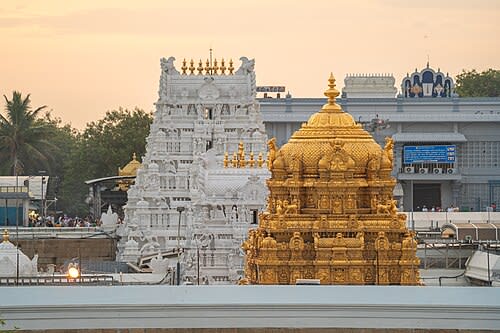
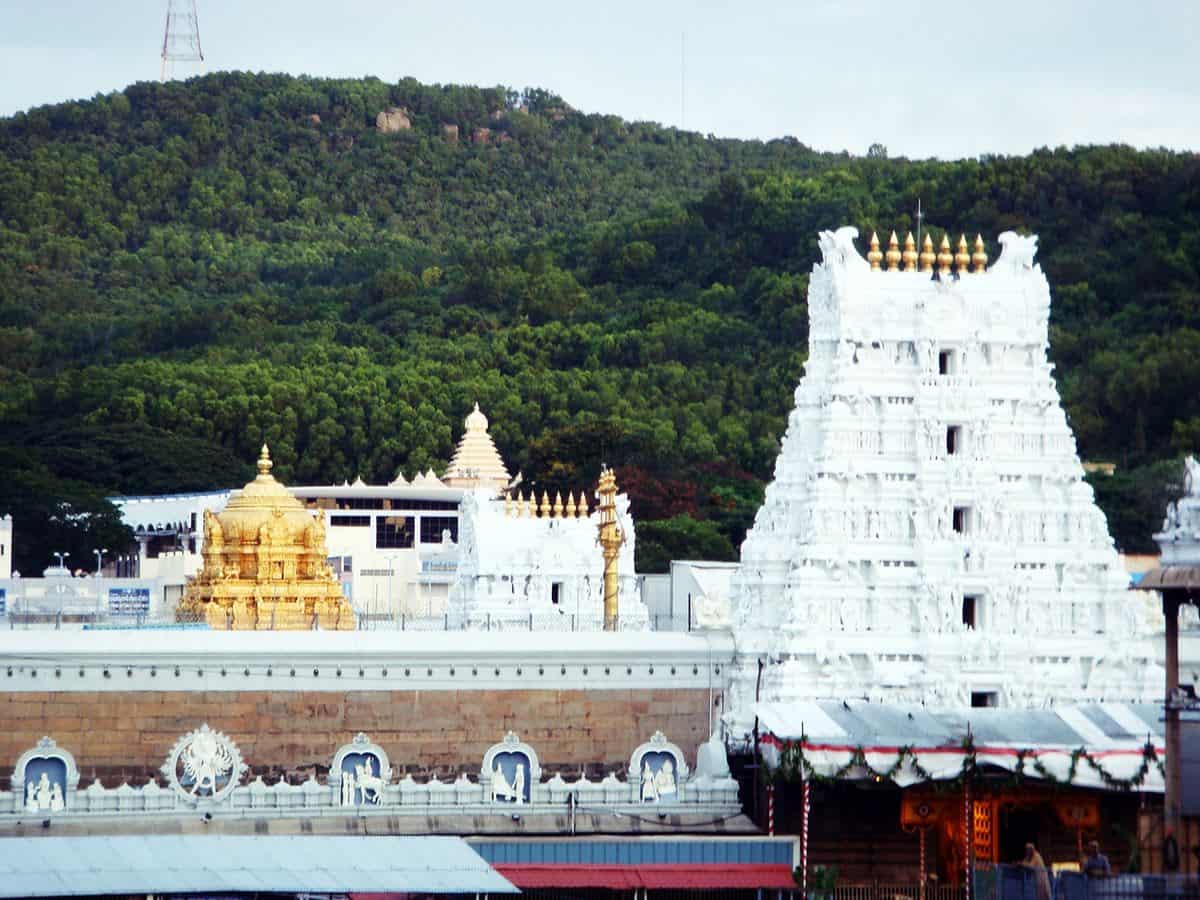
A: No. Tirupati is the city at the foothills, while Tirumala is the hill town where the famous Tirupati Balaji (Sri Venkateswara) Temple is located.
Q20.What is the exact location of Tirupati Balaji Temple?
A: The temple is located in Tirumala, near the city of Tirupati, in Andhra Pradesh, India.
Q21.Why is the temple called Tirupati Balaji?
A: The temple is popularly known as Tirupati Balaji because it is near the city of Tirupati. The presiding deity is Lord Venkateswara, who is also widely known as Balaji, Srinivasa, and Govinda.
Q22.How far is Tirumala from Tirupati?
A: Tirumala is approximately 22 km from Tirupati by road. Pilgrims can travel by bus, taxi, or on foot using the designated pilgrimage routes.
Q23.Which airport is closest to Tirupati Balaji Temple?
A: Tirupati Airport (Renigunta) is the nearest airport, located about 40 km from Tirumala.
Q24.Which railway station is nearest to Tirupati Balaji Temple?
A: Tirupati Railway Station is the nearest major railway station and is well connected to major cities across India.
Q25.What is the best way to reach Tirupati Balaji Temple?
A: You can reach Tirupati by air, train, or road. From Tirupati, regular buses, taxis, and two pedestrian routes connect pilgrims to Tirumala, where the temple is located.
Q26.What is Tirupati VIP Darshan?
A: Tirupati VIP Darshan, also known as Break Darshan, is a special darshan category that offers devotees a quicker and more organized visit to the Sri Venkateswara Temple in Tirumala. It is subject to TTD rules, eligibility, and availability.
Q27.How can I book Tirupati VIP Darshan tickets?
A: VIP Darshan tickets can be booked through the official TTD website after meeting the applicable eligibility criteria, such as the SRIVANI Trust donation scheme, where available.
Q28.What is the cost of Tirupati VIP Darshan?
A: Under the SRIVANI Trust scheme, devotees make a donation of ₹10,000 per person. If eligible and a slot is available, a separate Break Darshan ticket fee may also apply as per TTD's current rules. Ticket prices and policies may change over time.
Q29.Can I book VIP Darshan tickets online?
A: Yes. Eligible devotees can book VIP Break Darshan online through the official TTD portal after completing the required donation or meeting other applicable eligibility criteria.
Q30.Is the SRIVANI Trust donation mandatory for VIP Darshan?
A: For the SRIVANI Trust quota, yes. However, TTD also has other categories of VIP Break Darshan based on protocol and recommendation policies. Eligibility varies according to TTD guidelines.
Q31.What documents are required for VIP Darshan?
A: Devotees should carry:
A valid government-issued photo ID
The booking confirmation
Donation receipt (if booked under the SRIVANI Trust scheme)
Q32.Can I cancel or reschedule my VIP Darshan ticket?
A: Cancellation and rescheduling are subject to TTD's prevailing booking policy. Check the official TTD portal for the latest terms and conditions.
Q33.How early should I report for VIP Darshan?
A: It is recommended to report at the designated entry point at least 1–2 hours before the reporting time mentioned on your ticket.
Q34.Are children required to have a VIP Darshan ticket?
A: TTD's policy for children may vary based on age and the applicable darshan category. Refer to the latest TTD guidelines before booking.
Q35.Is VIP Darshan available every day?
A: VIP Break Darshan is generally available, but TTD may suspend or cancel it during festivals, heavy pilgrim rush, temple events, or other administrative reasons.
Q36.Can foreigners book Tirupati VIP Darshan?
A: Yes. Foreign nationals can book eligible darshan categories by providing valid passport and identification details during the booking process.
Q37.Where should I book Tirupati VIP Darshan tickets?
A: Always book through the official TTD website or the official TTD mobile application. Avoid unauthorized agents or brokers.
Q38.Which are the best temples to visit in Tirupati?
A: Some of the most popular temples in Tirupati include:
Sri Venkateswara Temple (Tirumala)
Sri Padmavathi Ammavari Temple
Sri Kapileswara Swamy Temple
Sri Govindaraja Swamy Temple
Sri Kodandarama Swamy Temple
Sri Kalyana Venkateswara Swamy Temple (Srinivasa Mangapuram)
ISKCON Temple Tirupati
Sri Prasanna Venkateswara Swamy Temple (Appalayagunta)
Q39.Which temple should I visit first in Tirupati?
A: Many devotees traditionally visit Sri Padmavathi Ammavari Temple at Tiruchanur before or after offering prayers at the Sri Venkateswara Temple in Tirumala, according to their personal beliefs and travel plans.
Q40.Is Tirumala Temple the same as Tirupati Balaji Temple?
A: Yes. Sri Venkateswara Temple in Tirumala is popularly known as Tirupati Balaji Temple and is the most famous temple in the region.
Q41.How many temples can I visit in one day in Tirupati?
A: With proper planning, you can comfortably visit 4–6 major temples in a single day, depending on traffic, darshan timings, and crowd levels.
Q42.Which temples are located near Tirupati Railway Station?
A: Sri Govindaraja Swamy Temple and Sri Kodandarama Swamy Temple are located close to Tirupati Railway Station and can be reached within a few minutes.
Q43.Which temples are located on Tirumala Hills?
A: The main Sri Venkateswara Temple is located on Tirumala Hills. Other nearby sacred sites include Varaha Swamy Temple, Bedi Anjaneya Swamy Temple, and several smaller shrines.
Q44.Are there any Shiva temples in Tirupati?
A: Yes. Sri Kapileswara Swamy Temple is the most prominent Shiva temple in Tirupati and is the only major temple dedicated to Lord Shiva in the area.
Q45.What is the best time to visit Tirupati temples?
A: The best time to visit is between September and March, when the weather is more pleasant. Early mornings are generally ideal for shorter waiting times.
Q46.Is there a dress code for visiting Tirupati temples?
A: Yes. Most temples encourage traditional and modest attire. Men are generally advised to wear dhoti, kurta, or formal trousers with a shirt, while women may wear sarees, salwar kameez, or other modest traditional clothing.
Q47.Can I visit all major Tirupati temples in a weekend?
A: Yes. A two-day trip is usually enough to cover the major temples in Tirupati and Tirumala while allowing sufficient time for darshan and sightseeing.
Q48.Are there guided temple tours in Tirupati?
A: Yes. Many travel operators and local guides offer temple tour packages covering the major temples in Tirupati and nearby pilgrimage sites.
Q49.Which temple is dedicated to Goddess Padmavathi?
A: Sri Padmavathi Ammavari Temple at Tiruchanur is dedicated to Goddess Padmavathi, the divine consort of Lord Venkateswara, and is one of the most visited temples in the region.
Q50.What are the best places to visit in Tirupati?
A: Some of the top attractions in Tirupati include:
Sri Venkateswara Temple (Tirumala)
Sri Padmavathi Ammavari Temple
Sri Kapileswara Swamy Temple
Sri Govindaraja Swamy Temple
Akasa Ganga Waterfalls
Papavinasam
Silathoranam (Natural Rock Arch)
Sri Venkateswara Zoological Park
Chandragiri Fort
Talakona Waterfalls
Deer Park
ISKCON Temple Tirupati
Q51.What are the must-visit tourist places in Tirupati?
A: The must-visit places include Tirumala Temple, Akasa Ganga, Papavinasam, Silathoranam, Chandragiri Fort, and Talakona Waterfalls for a mix of spirituality, history, and nature.
Q52.Can I visit Tirupati in one day?
A: Yes. A one-day trip can cover major attractions such as Tirumala Temple, Sri Padmavathi Temple, Kapila Theertham, and Govindaraja Swamy Temple. For waterfalls and historical sites, a two-day itinerary is recommended.
Q53.Which places can I visit near Tirupati?
A: Popular nearby attractions include:
Talakona Waterfalls
Chandragiri Fort
Srinivasa Mangapuram
Appalayagunta
Kanipakam Vinayaka Temple
Kailasakona Waterfalls
Q54.Are there any waterfalls near Tirupati?
A: Yes. Akasa Ganga, Papavinasam, Talakona Waterfalls, and Kailasakona Waterfalls are among the most popular waterfalls near Tirupati.
Q55.What are the best places for families in Tirupati?
A: Families often enjoy visiting Sri Venkateswara Zoological Park, Deer Park, Chandragiri Fort, Talakona Waterfalls, and the temples around Tirupati.
Q56.What is the best time to visit Tirupati?
A: The ideal time to visit is from September to March when the weather is pleasant for temple visits and sightseeing.
Q57.Are there any historical places to visit in Tirupati?
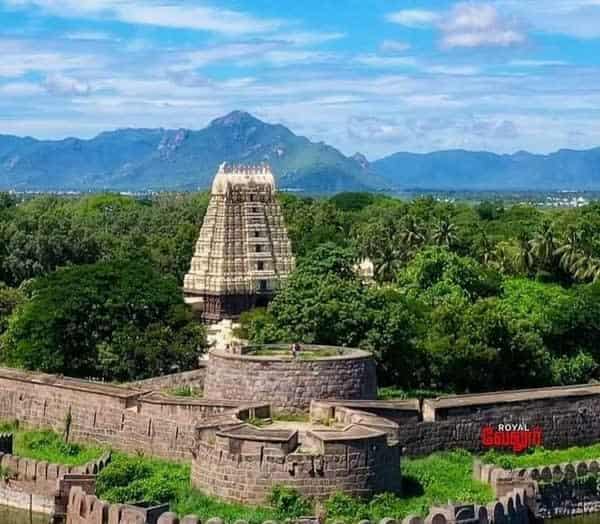
A: Yes. Chandragiri Fort is one of the most significant historical attractions near Tirupati and offers insights into the Vijayanagara Empire.
Q58.Is there an entry fee for tourist attractions in Tirupati?
A: Some attractions, such as waterfalls and parks, may have a nominal entry or parking fee, while most temples are free to enter. Certain darshan categories at temples require paid tickets.
Q59.How many days are enough to explore Tirupati?
A: A two-day trip is ideal to visit the major temples and tourist attractions. If you plan to explore nearby destinations such as Talakona and Kanipakam, consider staying for three days.
Q60.Is Tirupati suitable for a family vacation?
A: Yes. Tirupati is a family-friendly destination offering a combination of religious sites, scenic waterfalls, parks, forts, and peaceful natural attractions.
Q61.How can I travel between tourist places in Tirupati?
A: You can travel by local buses, taxis, auto-rickshaws, or private cabs. Many visitors also choose guided sightseeing tours that cover the major attractions in and around Tirupati.
Q62.Why do Tirupati Balaji's eyes appear to be closed?
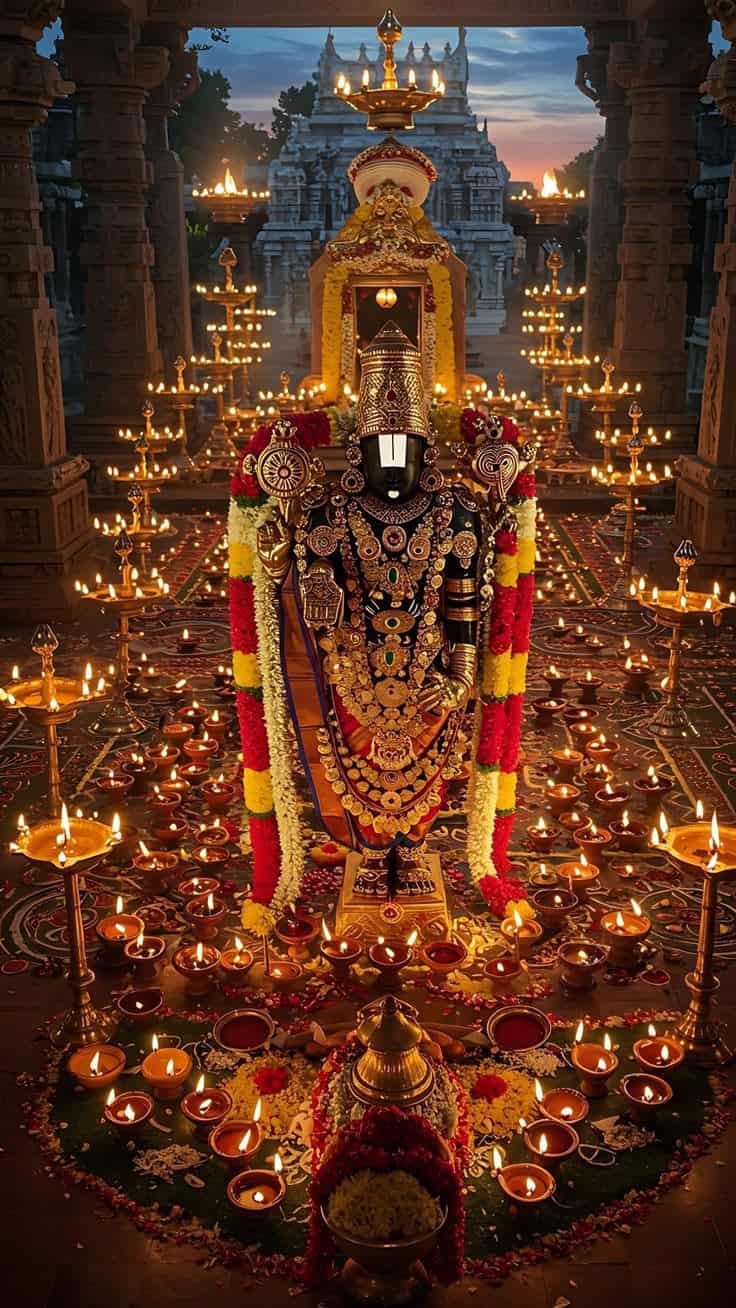
A: The eyes of Lord Venkateswara are not completely closed. They appear partially covered with a strip of white camphor (known as namam) and other traditional adornments, giving the impression that the eyes are half-closed.
Q63.Why is the namam placed over Lord Venkateswara's eyes?
A: According to temple tradition, the namam is applied in a way that partially covers the eyes to soften the Lord's divine gaze. Devotees believe His vision is so powerful and compassionate that only a portion of His eyes is visible.
Q64.Are Tirupati Balaji's eyes actually closed?
A: No. The idol's eyes are open, but they are partially concealed by the sacred namam and decorative elements used during daily worship.
Q65.What is the spiritual significance of the partially covered eyes?
A: Many devotees believe the partially visible eyes symbolize mercy, compassion, and divine grace. The Lord is believed to watch over devotees while expressing kindness rather than an intense divine gaze.
Q66.Is there any scientific reason behind Tirupati Balaji's eyes appearing closed?
A: There is no scientific explanation accepted as the reason. The appearance is primarily due to the temple's long-standing religious traditions, rituals, and style of decoration.
Q67.Can devotees see Lord Venkateswara's full eyes?
A: During regular darshan, the eyes remain partially covered as per temple custom. On certain special occasions and rituals, the decoration may vary, but these are conducted according to TTD traditions.
Q68.Is the story about Lord Balaji's powerful gaze mentioned in scriptures?
A: The belief that the Lord's gaze is extraordinarily powerful is part of temple tradition and devotional lore. It is not presented as a universally accepted scriptural teaching.
Q69.Why is Tirupati Balaji's idol considered unique?
A: The idol is revered for its ancient craftsmanship, distinctive iconography, and centuries-old worship traditions. Features such as the sacred namam, ornaments, and ritual practices contribute to its unique appearance and spiritual significance.